
Chronic Pain
Treatment for Chronic Pain
Dr. Mazzola offers treatment for chronic pain utilizing Prolotherapy, Perineural Injection Therapy, and other regenerative techniques. These treatments are designed to be curative by adding substances to the system that stimulate the body’s own healing mechanisms.
Treatment of chronic pain often requires a holistic approach depending on length of time and origin of pain. There are many causes of chronic pain such as injuries, weight gain, infections, toxicity, strain and over use, degenerative processes, and musculoskeletal dysfunction.
To do a deep dive into the root cause of your chronic pain, book a New Patient Appointment. If you would only like the Regenerative Injections, those may be booked separately. You are invited to book a Discovery Call if you have questions.
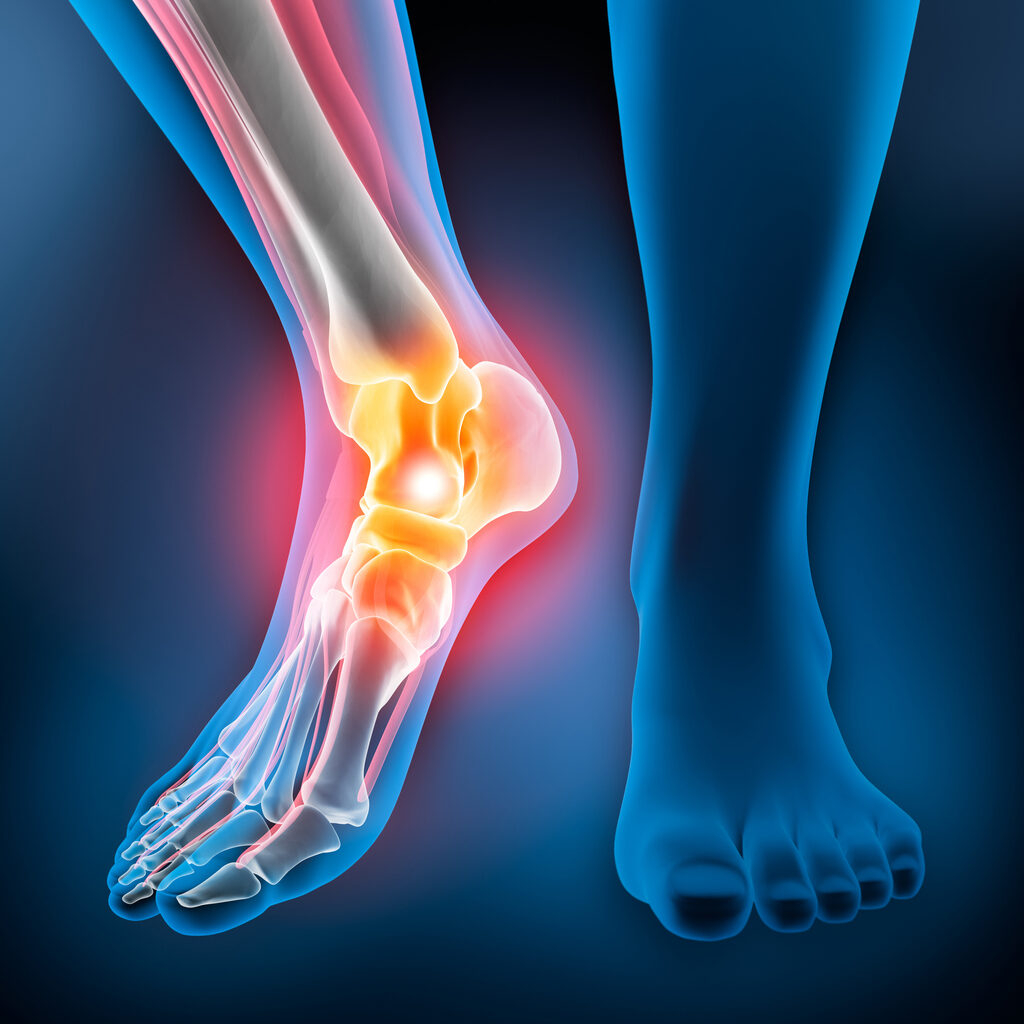
Regenerative Joint Injections (Prolotherapy):
Cost: $150-375 depending on locations treated
Areas Treated: feet, toes, ankles, knees, hips, hands, wrists, elbows, and shoulders
Neuropathic Pain Treatment (Perineural Injection Therapy/PIT):
Cost: $150+ per 1-2 sites of injury (depending on time and areas treated). Can be added on to Prolotherapy for $75
Areas treated: any location of neuropathic pain.
Prolotherapy
What is Prolotherapy?
Prolotherapy (regenerative joint injection) is a non-surgical treatment that specifically treats joints and the connective tissue around the joints by injecting a mild irritant to stimulate healing. This is a precise technique that allows placement of treatment directly on and around ligaments, tendons, and into the joint space.
How does it work?
A solution of dextrose, saline, lidocaine or procaine, B12, and other regenerative substances are injected into and around the joint causing mild irritation, which stimulates the body to mobilize its own healing mechanisms. This allows the production of new collagen and produces a dramatic decrease in inflammation and pain. Prolo stands for “proliferative,” which means that it induces regeneration of tissue and stabilization of joints.

Conditions that can be treated with this type of treatment:
Tendonitis
Arthritis
Plantar Fasciitis
Ligament damage
Meniscus damage
Labrum damage
Hypermobility
Musculoskeletal Pain/Injury
Golfer’s or Tennis Elbow
Joint Instability
Crepitus (crunchy joints)
Frozen Shoulder
Old Injuries and general wear and tear
Benefits
There are several benefits to healing joint damage. Patients will feel a reduction in pain and better function in the joint which allows for more mobility and engagement in physical activity. Many patients can return to playing their favorite sports, working out, and getting around much more easily, which leads to longer life span, health span, and more enjoyment of life. For some, these treatments will help avoid surgical intervention.
Risks/Side Effects
As with any injection, risk of infection is always a possibility. Dr. Mazzola uses aseptic technique and an abundance of caution to avoid any such complication. Patients may experience side effects which may include: redness, swelling, bruising, and tenderness. These side effects usually subside quickly. There is very little risk of an allergic reaction but please inform Dr. Mazzola if you have any allergies including an allergy to lidocaine or other anesthetics.
What to expect from this treatment:
Immediately following treatment, the area treated will be numb. As sensation returns, there may be instant relief from pain but for most people this effect will build over the following 2-3 weeks as the joint tissue begins to regenerate and heal. Depending on the type of joint pain, patients may need a series of 2-6 treatments. Some patients will choose to do “maintenance” injections every 1-2 years. One treatment usually takes 30 minutes or less and the patient should be able to leave and resume all activities of daily living immediately. It is encouraged to not put extra stress on the areas treated for a few days after treatment. Detailed after care instructions will be provided.
Resources:
— The American Osteopathic Association of Prolotherapy and Regenerative Medicine: prolotherapycollege.org
— Journal of Prolotherapy: journalofprolotherapy.com

Perineural Injection Therapy (PIT)
What are perineural injections?
Perineural Injection Therapy (PIT), developed by John Lyftogt, is a type of regenerative medicine treatment that involves small injections of dextrose along superficial nerve pathways to treat chronic pain. PIT can help ease the symptoms of neuropathy, pain, or chronic itchiness by treating the inflamed and injured nerves. Injecting dextrose reduces inflammation and irritation to damaged nerves by creating additional space for the affected nerve, as well as breaking up adhesions contributing to neuropathic pain. The dextrose will nourish and reset the nerves, which reduces pain signaling patterns.

How does PIT work?
Perineural injections can be either superficial injections – just under the skin – or deeper injections that target a specific nerve. When nerves are entrapped in fascia and muscle, they will be less likely to receive proper nutrients. When it is deprived of nutrition, it will fire off pain signals more readily. Think of the cells as being “hangry” - it needs dextrose to function normally. These injections break up adhesions and make additional space for the nerve function optimally, which reduces pain.
How do people get nerve pain?
Chronic nerve pain is often due to trauma, arthritis, sports, overuse, occupational, and surgical injuries. When a nerve is injured it can continue to send a pain message to the brain, even though the nerve is not being stimulated by pain. This creates a “short circuit” much like an open wire lying on the floor with electricity flowing through it. The substances that cause pain also prevent soft tissues from healing.
Conditions that can be treated with this type of treatment:
Carpal Tunnel Syndrome
Regularly spasming muscles and muscle “knots”
Acute/Chronic Nerve pain
Nerve compressions
Ulnar Neuropathy
Whiplash
Pinched nerve
Nerve Damage
Notalgia Paresthetica
Benefits
Treating the body with perineural injections can help decrease nerve impingement and inflammation, allowing the muscles and musculoskeletal system to move with less pain, spasms and tightness. This is a drug-free treatment with little side effects and no down time. The patient should experience immediate relief of pain for at least 4 hours following treatment with each treatment providing longer and more permanent relief.
Risks/Side Effects
Since this is drug-free treatment, and dextrose is a part of normal human function, side effects are rare. Allergy is not an issue and infection is very rare. One may experience similar side effects to that of an injection, which may include: redness, swelling, bruising, and tenderness. These side effects are temporary, but it’s essential to discuss them with your provider to ensure a personalized care plan.
What to expect from this treatment:
In this type of therapy, a series of injections, containing the dextrose solution, is placed underneath the skin (much in the same way as getting a TB test or a “pinprick”), the solution is injected precisely along the path of the problematic nerve, the area around the nerve is the target rather than a tendon or ligament. These nerves are located close to the surface of your skin, so we only need a short, thin needle to deliver the solution. You may feel something like a series of pinpricks. You’re likely to notice a reduction in symptoms right away, but in order to enjoy the full benefits of perineural injection therapy, you may need a series of treatments spaced over several weeks.
After the first Perineural Injection Therapy treatment, the pain relief only lasts a few hours and the pain returns. After the second treatment, there is about 25% improvement and although the pain returns, it may not be as intense, widespread, or frequent as it was prior to treatment.

As the patient receives further treatments, the goal is pain reduction and a restoration of normal function. The number of injections that are given depends on various factors such as the number of different nerves inflamed, how much of the nerve is inflamed, and how long the nerve has been inflamed.
There are no medication restrictions for patients receiving Perineural Injection Therapy, anti-inflammatory medicines taken for other conditions do not need to be stopped. Patients are encouraged to remain active but only to the point where the given activity does not increase the pain during or after the activity.